
Chemistry Shorts Releases New Film on Chirality
The Camille and Henry Dreyfus Foundation-sponsored Chemistry ShortsTM series released its newest film, “Cracking Chirality,” which explores how the essential molecules of life, like DNA, RNA, and proteins, acquired their homochiral structures and how magnetic rocks at the bottom of a prebiotic lake may have set the stage for life as we know it.
Chirality is the idea that some molecules come in two mirror-image configurations. Despite having the exact same chemical compositions, their physical structures are different. These left-handed and right-handed molecules can have different properties and functions. Understanding how chiral molecules function differently is essential to chemical synthesis and medicine. But it also holds a curious question about early life: why are the nucleic acids that hold genetic information in all of life right-handed, while the amino acids that they encode left-handed?
In “Cracking Chirality,” two Harvard University scientists, Dimitar Sasselov and S. Furkan Ozturk, present their exciting new findings: magnetized molecules found at the bottom of lakes on the primordial Earth may be the key to how important biological molecules crystallized and grew, tipping the scales from a 50-50 mixture of molecules to homochiral solutions made up of just one or the other. Their simple experimental setups, growing crystals on tiny magnetized plates, help provide a solution to an essential question about life itself that has plagued scientists for decades.

“Cracking Chirality” is targeted towards high school and college students, and can be used as a starting point for discussions around the chemical origins of life, molecular chirality, electron spin, magnetism, and more. A full lesson plan with an experiment to accompany the film is available on the Chemistry Shorts website.
The Chemistry Shorts series spotlights the positive impact of chemistry on modern life as scientists work to solve important problems and create new opportunities that benefit humanity. See all of the films and lesson plans in this series at chemistryshorts.org and keep updated on new films and resources by following Chemistry Shorts on Twitter, Facebook, and LinkedIn.
The Chemistry Shorts series is funded in part by the Gordon and Betty Moore Foundation.
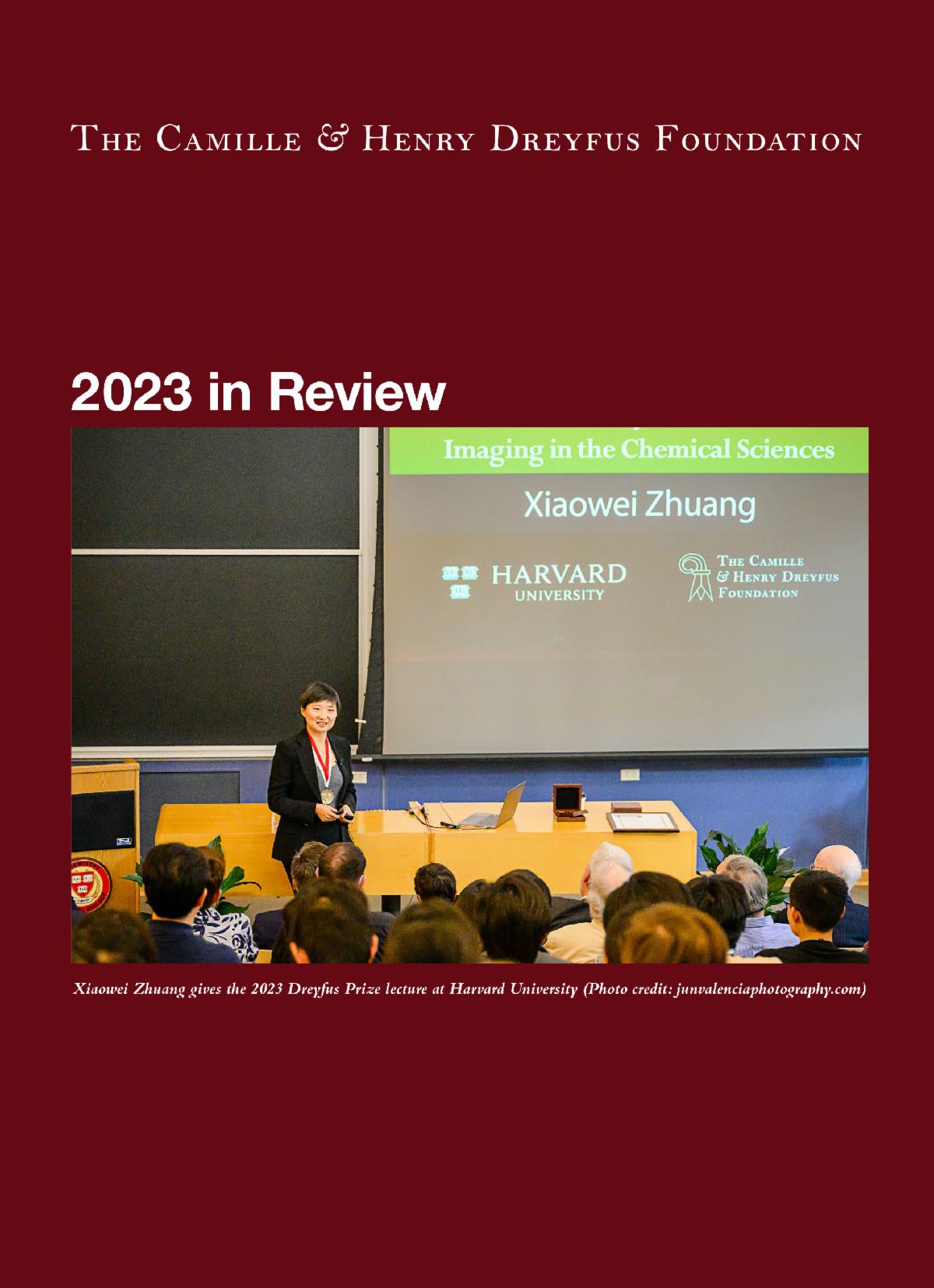
Dreyfus Foundation 2023 Year in Review
We invite you to read the Camille and Henry Dreyfus Foundation 2023 Year in Review, which is now available online.
The nine-page publication spotlights the Foundation’s major accomplishments in 2023 and looks ahead to 2024. Last year, the Foundation conferred many notable awards, including the 2023 Dreyfus Prize in the Chemical Sciences. The Foundation also conceived and sponsored the production and release of new short films from the Chemistry Shorts program – “Driving Reactions” and “Frosty Formulations” – with additional films under development for release this year. The Year in Review also details the upcoming 2024 Dreyfus/ACS Symposium on Imaging in the Chemical Sciences.
Read the entire report by clicking here or on the cover image below.
Dreyfus/ACS Symposium on Imaging in the Chemical Sciences
The Dreyfus Foundation has organized an American Chemical Society (ACS) Symposium on Imaging in the Chemical Sciences – the topic of the 2023 Dreyfus Prize – which will be held at the spring national meeting of the ACS in New Orleans on Monday, March 18, 2024. The symposium is open to all attendees of the spring ACS meeting.
The distinguished speakers are Paul Weiss (University of California, Los Angeles), Naomi Ginsberg (University of California, Berkeley), Wilson Ho (University of California, Irvine), Dorit Hanein (University of California, Santa Barbara), Christopher Chang (University of California, Berkeley), and Xiaowei Zhuang (Harvard University, HHMI), the winner of the 2023 Dreyfus Prize conferred in Imaging in the Chemical Sciences.
The anticipated agenda is provided below. A reception will follow. For up-to-date information, including how to attend, please visit the ACS meeting website.
Dreyfus Foundation ACS Symposium on Imaging in the Chemical Sciences
Ernest N. Morial Convention Center, Room 244
Note: All times shown are Central.
10:00 am: Morning Welcome
H. Scott Walter, Dreyfus Foundation President
Matthew V. Tirrell, The University of Chicago, Dreyfus Foundation Chair, Scientific Affairs Committee and Senior Scientific Advisor
10:20 am: Paul Weiss, University of California, Los Angeles
Nanoscale Chemical Imaging
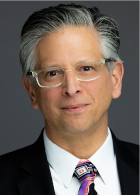
10:55 am: Naomi Ginsberg, University of California, Berkeley
Imaging Nanoscale Electronic, Thermal, and Ionic Energy Transduction and Transport in Emerging Functional Materials
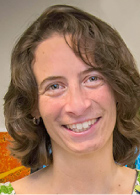
11:30 am: Wilson Ho, University of California, Irvine
The Quantum Superposition Microscope
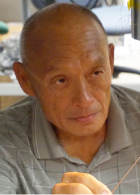
2:00 pm: Afternoon Welcome
Milan Mrksich, Northwestern University, Dreyfus Foundation Board Member
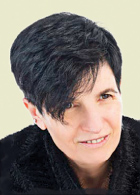
2:05 pm: Dorit Hanein, University of California, Santa Barbara
Nanometer Scale Dissection of Cellular Processes – A Multiscale Imaging Journey from Live Cells to Cellular Cryogenic Tomography
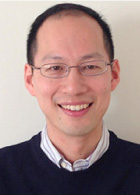
2:40 pm: Christopher Chang, University of California, Berkeley
Activity-Based Sensing: Leveraging Chemical Reactivity for Selective Bioimagings
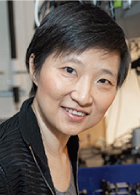
3:15 pm: Xiaowei Zhuang, Harvard University, HHMI
Winner of the 2023 Dreyfus Prize conferred in Imaging in the Chemical Sciences
Spatially Resolved Single-Cell Genomics and Cell Atlas of the Brain
3:50 pm: Closing Remarks
H. Scott Walter
Matthew V. Tirrell
Milan Mrksich
Please reach out to [email protected] with any questions.
2024 Leadership Developments and Staff Promotions
As we look ahead to 2024, we celebrate leadership developments and staff promotions.
The Camille and Henry Dreyfus Foundation is pleased to announce advancements among our devoted staff. We celebrate and thank our team for their exceptional service, and eagerly anticipate a bright future for the Foundation.
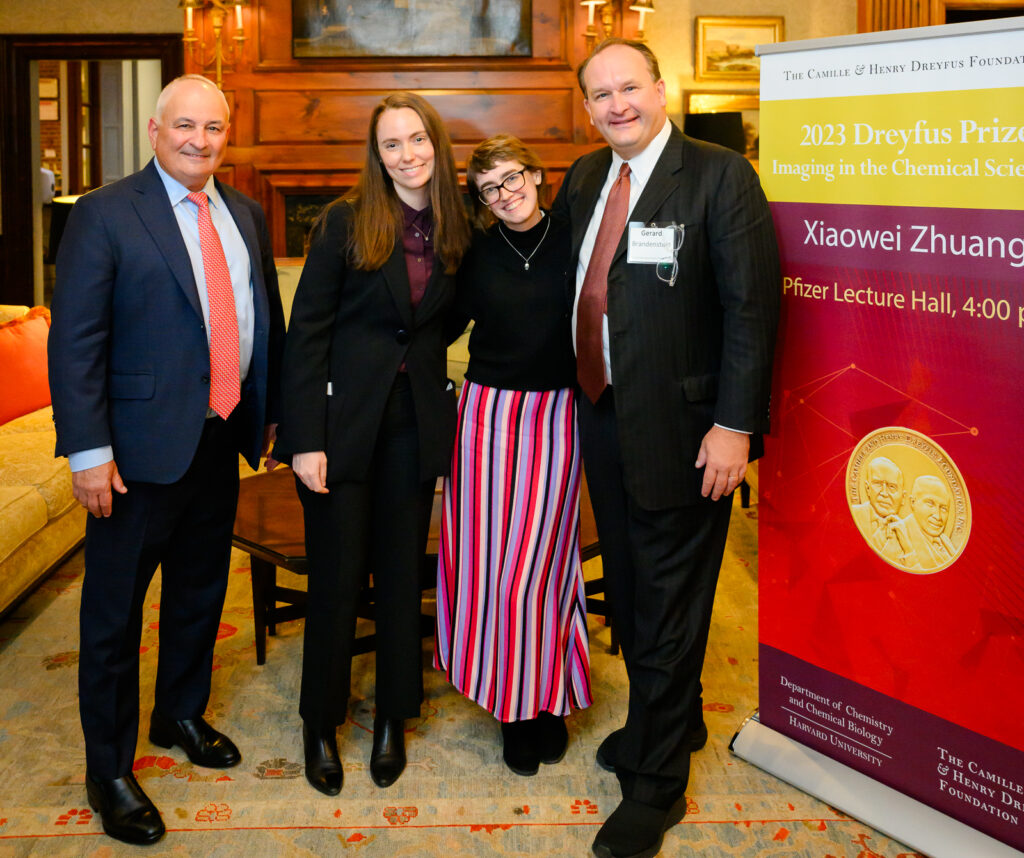
Pictured at the 2023 Dreyfus Prize Award ceremony held at Harvard University: Retiring Executive Director Dr. Scott A. Siegel, Senior Program Manager Ali Chunovic, Administrative Assistant Chloe Rickert, and Managing Director Gerard Brandenstein
Matthew V. Tirrell, Ph.D.
Senior Scientific Advisor
On January 1, 2024, Dr. Matthew V. Tirrell joins the staff as Senior Scientific Advisor, a newly established part-time advisory role at the Foundation. “Matt’s extensive history with our organization, from grant recipient to Director and Chair of the Scientific Affairs Committee, and his deep commitment to our mission, make him the perfect fit for this vital advisory role,” says H. Scott Walter, Foundation President. Dr. Tirrell will oversee the Foundation’s scientific grant programs and grant reviews, and play a key role in advisor/reviewer selection. Dr. Tirrell’s history with the Foundation began when he received a Camille and Henry Dreyfus Teacher-Scholar Award in 1980 for his project “Polymer Dynamics and Polymerization Reactor Engineering.” In 2002, Dr. Tirrell became an advisor to the Board; and in 2012, he was appointed to the Board. In 2016, Dr. Tirrell took on a leadership role on the Board as Chair of the Scientific Affairs Committee. Dr. Tirrell has an extensive and impressive resume outside of his work with the Foundation. Among his accomplishments, he is the D. Gale Johnson Distinguished Service Professor Emeritus at the University of Chicago, where he served as the founding dean of the Pritzker School of Molecular Engineering from 2011 until 2023. Dr. Tirrell has also served as Deputy Laboratory Director for Science at Argonne National Laboratory from September 2015 to April 2018 and again June 2022 to September 2023. From 2009-2011, he was Professor and Chair of Bioengineering at the University of California, Berkeley. Dr. Tirrell was Dean of the College of Engineering at the University of California, Santa Barbara from 1999-2009. From 1977-1999, he was on the faculty of Chemical Engineering and Materials Science at the University of Minnesota, where he served as Head from 1995-1999. Dr. Tirrell earned his Bachelor of Science at Northwestern University and his Ph.D. in Polymer Science and Engineering at the University of Massachusetts.
Scott A. Siegel, Ph.D.
Retiring Executive Director
The Foundation’s Executive Director, Dr. Scott A. Siegel, retires at the end of 2023, after serving the Foundation for the past 3 years. President Walter emphasizes that “Scott has been an impactful leader who has made significant contributions to the Foundation during his tenure. We extend our heartfelt gratitude for his dedication, vision, and unflagging efforts in advancing our mission.” Dr. Siegel previously spent more than 35 years as a scientific and business leader in the biotechnology and pharmaceutical sector, working in companies ranging from start-up to large multinational, before turning his attention to the non-profit sector. He also served in several academic teaching roles. Dr. Siegel’s earlier research career is highlighted by his co-invention of Remicade®, a breakthrough anti-TNF therapeutic that has transformed the lives of millions of patients. Dr. Siegel earned his Ph.D. in Biochemistry from SUNY Downstate Medical Center and completed postdoctoral studies in Pharmacology at the Yale University School of Medicine.
Dr. Siegel has been working closely with the team to ensure a seamless transition of leadership responsibilities. Our best wishes go with him.
Gerard Brandenstein
Managing Director
With over 30 years of dedicated service to the Foundation, Gerard Brandenstein steps into the role of Managing Director effective January 1, 2024. “Gerry’s steadfast commitment to our mission and values has been evident throughout his tenure,” says President Walter. “In his role as Associate Director, Gerry adeptly managed our operational, financial, events, and administrative functions. His passion for our mission, leadership acumen, and strategic vision make him the ideal candidate to guide us into the next chapter of the Foundation’s work.” Mr. Brandenstein is also a member of Touro University’s Institutional Review Board. He holds a bachelor’s degree from Stony Brook University, an M.B.A. from Dowling College, and a master’s degree from New York University. He has continued his post-graduate education with studies at Harvard Business School and Cornell Law School.
Ali Chunovic
Senior Program Manager
Ali Chunovic is promoted to Senior Program Manager effective January 1, 2024. Ms. Chunovic oversees the Foundation’s core grantmaking activities and communications efforts, shaping and leading these pivotal areas. President Walter underscores that “Ali’s unwavering dedication to the Foundation has already yielded positive change during her time here.” Ms. Chunovic joined the Foundation in 2022 having served formerly as Program Associate, Science & the Arts, for the Alfred P. Sloan Foundation, and Public Affairs Associate at The Dana Foundation. Ms. Chunovic earned her bachelor’s degree at Boston University.
Chemistry Shorts Releases New Film on Ice Cream Chemistry
The Camille and Henry Dreyfus Foundation-sponsored Chemistry ShortsTM series released its newest film, “Frosty Formulations,” which explores the surprising science behind one of the world’s favorite desserts: ice cream. The film is available for immediate viewing and use in teaching free of charge on the Chemistry Shorts YouTube channel.
In “Frosty Formulations,” Ice Cream ScientistTM Dr. Maya Warren takes us down to the microscopic level to discuss how ice cream is a solid, liquid, and gas all at once, and how the combination of those three states gives it its distinctive texture.
But, that’s not all. The film dives deeper into the key steps in making ice cream that allow suspended fat globules to partially coalesce like soap bubbles: with the addition of an emulsifier, cold temperature, and friction from the churning ice cream maker. Without all of these steps, combined in just the right way, the complicated chemistry of ice cream wouldn’t form the same beloved treat!
“Chemistry has opened up the possibilities and opportunities in my life in ways I would’ve never even imagined. Being able to have something like ice cream and being able to relate that to my first love, which is chemistry, has been able to allow me to see life in a completely different way.” – Dr. Maya Warren in “Frosty Formulations.”
“Frosty Formulations” is aimed at high school to college students and can be used as a starting point for discussions around emulsions, hydrophobicity/ hydrophilicity, and states of matter. A full lesson plan with an experiment to accompany the film is available on the Chemistry Shorts website.
The Chemistry Shorts series spotlights the positive impact of chemistry on modern life as scientists work to solve important problems and create new opportunities that benefit humanity. See all of the films and lesson plans in this series at chemistryshorts.org and keep updated on new films and resources by following Chemistry Shorts on Twitter, Facebook, and LinkedIn.
The Chemistry Shorts series is funded in part by the Gordon and Betty Moore Foundation.